Hair Transplantation
Hair Transplant Aftercare
Recovery, Washing & Growth Timeline
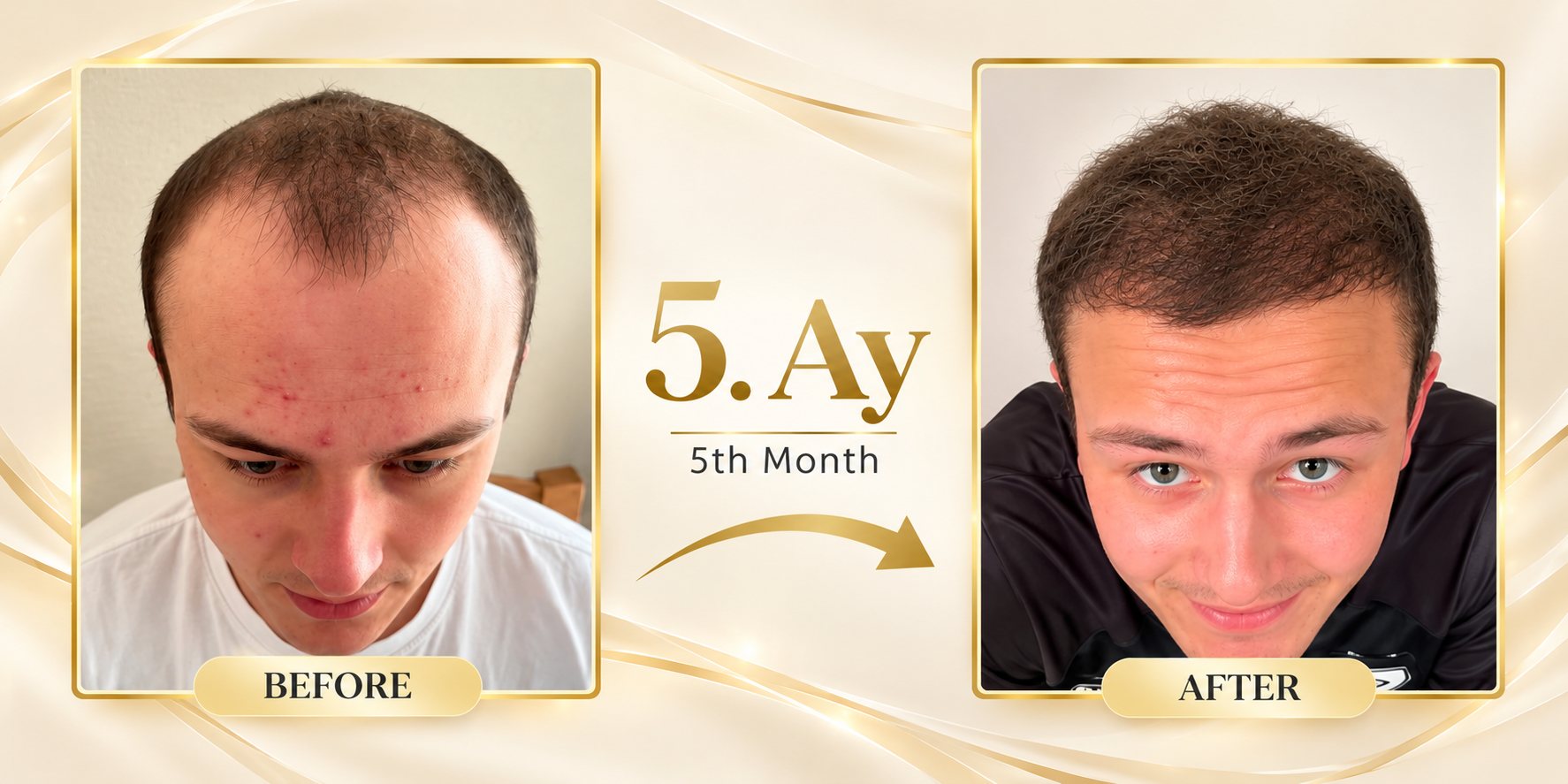
A hair transplant does not end when the procedure is finished. Protecting the newly implanted grafts, following the correct washing routine and monitoring hair growth over the following months are all important parts of the treatment.
At Dr Ahmet Demir Clinic, patients receive post-operative guidance and follow-up throughout the first year.
The First 24 Hours
The recipient area should be protected from pressure, rubbing and accidental contact.
Mild redness, small blood spots, donor-area tenderness and some swelling may occur.
Avoid bending your head forward for prolonged periods, including while looking at your phone, as this may increase swelling around the forehead and eyes.
Rest with your head slightly elevated and preferably sleep on your back.
How Should I Sleep on the First Night?
Keep the head slightly elevated and make sure the transplanted area does not rub against the pillow.
A clean towel or disposable pad can be placed over the pillow because a small amount of fluid or blood may leak from the donor area.
The First Wash
During the first days, washing should be gentle. Avoid rubbing, high-pressure water and picking at the crusts.
For patients travelling from another city or country, the first clinic wash can usually be arranged after the first 24 hours when appropriate.
After this, daily gentle washing is generally recommended as part of hygiene and recovery.
Days 1–10
Days 1–3: redness, crusting, mild tenderness and swelling may be present.
Days 4–7: crusts become more noticeable. Do not scratch or remove them manually.
Around day 10: most crusts can usually be removed with the recommended washing and gentle massage technique.
What If Hair Comes Away with the Crusts?
Seeing a hair shaft within a crust does not automatically mean that the graft has been lost. The follicle may remain beneath the skin while the visible hair shaft sheds.
Shock Loss and Early Growth
Some transplanted hairs may shed temporarily during the first few weeks or within the first 1–2 months. This is commonly referred to as shock loss.
Temporary shedding can also affect some pre-existing hairs, particularly when grafts have been implanted between native hairs.
Months 2–3: the first new hairs may begin to appear.
Months 3–4: the number of visible new hairs gradually increases.
Months 4–6: hairs become longer, thicker and darker.
Months 6–9: density and overall appearance become progressively more noticeable.
Months 9–12: a substantial part of the final result is usually visible. The crown may mature more slowly in some patients.
Exercise, Sauna, Swimming, Sun & Hats
In the early healing period, the grafts should be protected from friction, excessive heat, heavy exercise, swimming and intense sun exposure.
The appropriate time to return to each activity depends on healing and the individual procedure.
Smoking and Alcohol
Smoking and alcohol may negatively affect circulation and healing, so limiting or avoiding them during the recovery period is advisable.
When Can I Cut or Colour My Hair?
Hair cutting, colouring and chemical treatments should be reintroduced gradually once the scalp has healed sufficiently. Timing is individual and should follow the clinic's advice.
Are Transplanted Hairs Permanent?
Hair follicles taken from the permanent donor zone generally retain much of their resistance to androgenetic hair loss after transplantation.
A hair transplant does not, however, prevent future thinning of the patient's non-transplanted native hair.
PRP, Mesotherapy and Other Supportive Treatments
PRP, mesotherapy or other supportive treatments may be considered in selected patients. They are adjunctive treatments and do not replace the transplant itself.
When Should I Contact the Clinic?
Contact the clinic if you experience increasing pain, marked redness, discharge, unpleasant odour, fever, unusually severe swelling or unexpected bleeding.
Quick Timeline
1–3 days: redness, tenderness and swelling may occur.
7–10 days: crusts are usually removed.
1–2 months: temporary shock loss.
2–3 months: early new growth.
4–6 months: visible growth and thickening.
6–9 months: increasing density.
9–12 months: most of the result becomes apparent.
Follow-up
We provide post-transplant advice and follow-up for 12 months.
Message us for a free preliminary assessment
Send your photo via WhatsApp and we'll get back to you with a physician's assessment on suitability and planning.